
How Rooftop Solar Can Cut Your Electricity Bill by Up to 90%
2/7/20268 min read


Understanding Rooftop Solar Energy
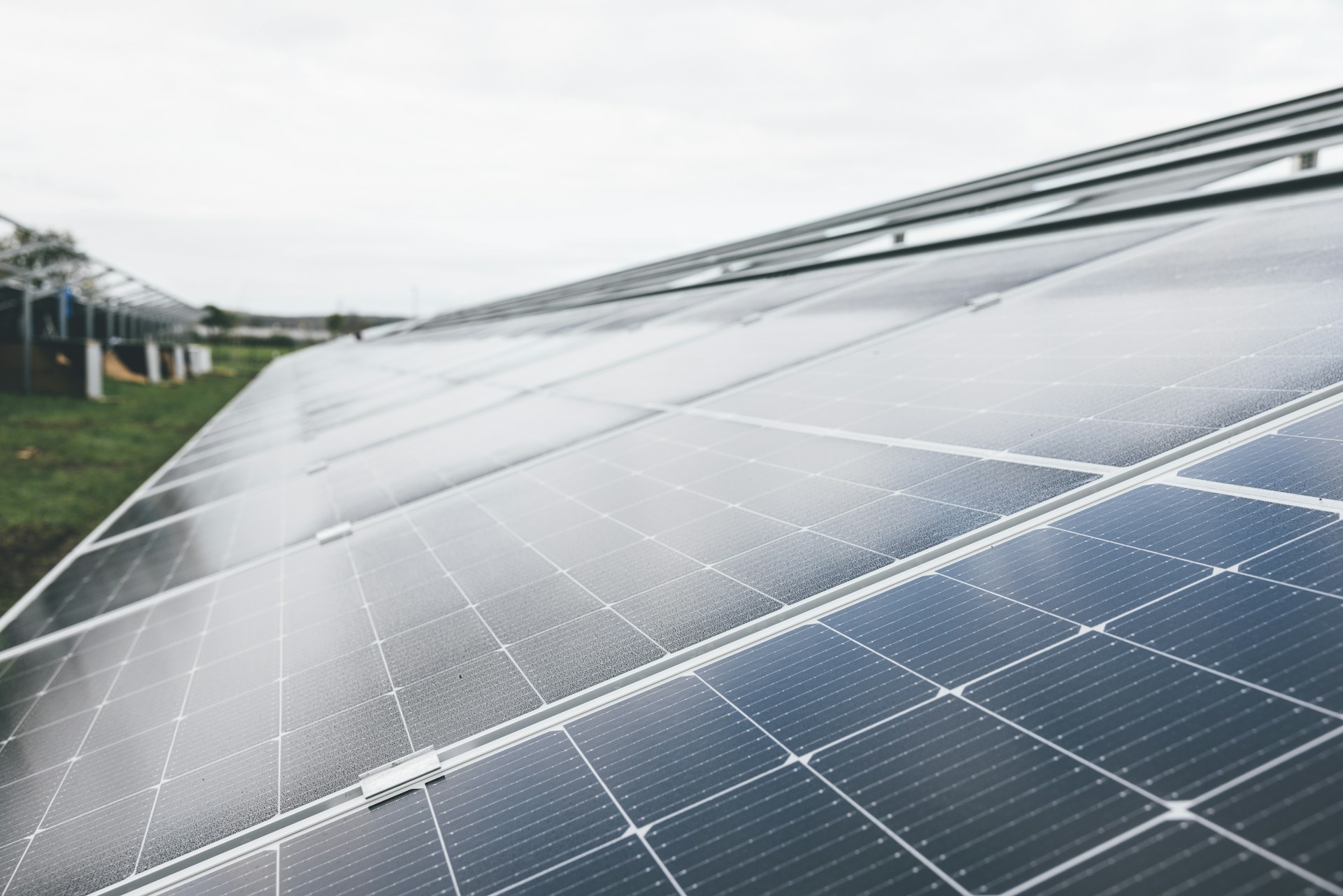
Rooftop solar energy is a sustainable power solution that utilizes solar panels installed on the rooftops of buildings to convert sunlight into electricity. This renewable energy source is gaining popularity due to its potential to significantly reduce electricity bills and minimize reliance on fossil fuels. At the core of a rooftop solar energy system are photovoltaic (PV) panels, which capture sunlight and convert it into direct current (DC) electricity through the photovoltaic effect.
Each solar panel is composed of numerous solar cells, typically made from silicon, which is a semiconductor material. When sunlight strikes these solar cells, it excites electrons, generating a flow of electricity. Since most appliances operate on alternating current (AC), the DC electricity produced by the solar panels is then sent to an inverter that converts it into AC electricity for home use. Inverters can be string inverters, microinverters, or power optimizers, each serving different installation needs and efficiency levels.
In addition to the solar panels and inverters, many rooftop solar systems incorporate batteries to store excess energy generated during peak sunlight hours. This stored energy can later be used during periods of low sunlight, ensuring a consistent power supply and further reducing electricity costs. Through energy management systems, users can monitor their energy production and consumption, optimizing their energy usage and enhancing their savings.
The environmental benefits of rooftop solar energy are compelling. By harnessing the sun’s power, homeowners can significantly reduce their carbon footprint, contributing to the reduction of greenhouse gas emissions. Solar energy is abundant, renewable, and clean, providing a sustainable alternative to conventional energy sources. Overall, understanding the components and functioning of rooftop solar energy systems highlights their role not only in reducing electricity bills but also in fostering a more sustainable planet.
The Financial Impact of Rooftop Solar
Installing a rooftop solar system represents a significant financial commitment for homeowners, but the long-term benefits can outweigh the initial costs. On average, the upfront investment for a residential solar energy system ranges from $15,000 to $30,000, depending on factors such as system size, location, and specific energy needs. While this may seem daunting, various financing options are available to reduce immediate out-of-pocket expenses. Homeowners can explore solar loans, leases, and power purchase agreements (PPAs) to suit their financial situation.
Furthermore, numerous tax credits and incentives are available to make solar energy more accessible. In the United States, the federal solar tax credit, or Investment Tax Credit (ITC), allows homeowners to deduct a percentage of the installation costs from their federal taxes. Additionally, many states and local governments offer rebate programs or performance-based incentives that further decrease the overall financial burden. These incentives can significantly reduce the payback period, which typically ranges from 5 to 10 years, that necessitates an analysis of potential savings.
Once installed, a rooftop solar system can cut electricity bills by as much as 90%, maximizing savings. With the average electricity cost ranging from 12 to 15 cents per kilowatt-hour, the shift to solar energy can equate to substantial monthly savings. Homeowners will not only benefit from lower electricity costs, but they will also insulate themselves from potential increases in utility rates. As energy prices continue to rise, the financial impact of solar energy becomes even more pronounced.
In summary, while the initial costs of rooftop solar may be high, the combination of savings on electricity bills, tax incentives, and financing options makes it an economically viable solution for many homeowners looking to reduce their energy expenses.
Calculating Your Electricity Bill Savings
To calculate the savings you can achieve through a rooftop solar installation, several factors must be taken into account. Each element contributes significantly to the overall reduction in your electricity bill, allowing for a comprehensive understanding of potential financial benefits.
The first consideration is your energy consumption. Analyzing your past electricity bills over the last year can provide insights into your average monthly usage, typically measured in kilowatt-hours (kWh). This data is essential as it forms the basis for estimating the size of the solar system you'll need.
Next, local electricity rates play a crucial role. These rates vary significantly depending on your geographical location and impact the calculations of savings. Higher rates equate to greater savings when offset by solar energy production. Knowing your average cost per kWh aids in making accurate projections of your total expenses without solar.
Another significant factor is the solar energy production capacity of your chosen system. This varies by geographic region, the angle, and orientation of your roof, and the quality of the solar panels. Most residential systems can produce anywhere from 5 to 15 kWh per installed kW per day, depending on these conditions.
System size is closely linked to both energy consumption and solar production. A larger system can offset more energy use, thus leading to greater savings. For example, a homeowner with a full solar array of 10 kW might anticipate producing around 1,500 kWh per month in optimal conditions. If their monthly energy requirement is 1,600 kWh, their savings could be substantial.
To highlight practical applications, studies show homeowners who installed 10 kW systems in sunny regions, with an average utility rate of $0.14 per kWh, could cut their electricity bills down to as low as $20 per month, achieving discounts of about 90%. By analyzing these variables—energy consumption, local electricity rates, solar energy production, and system size—you can accurately estimate your potential savings and make an informed decision regarding rooftop solar installation.
Incentives and Rebates for Solar Installations
Homeowners considering the installation of rooftop solar systems often overlook the various financial incentives available, which can significantly reduce the overall cost and enhance long-term savings. The U.S. federal government offers a substantial tax credit for solar energy systems, known as the Investment Tax Credit (ITC). As of the latest updates, this credit allows homeowners to deduct a percentage of the cost of their solar installation from their federal taxes. This incentive is often a considerable factor in making solar energy more affordable.
In addition to federal incentives, numerous states also provide their own tax credits, grants, or rebates to encourage the adoption of renewable energy sources. Homeowners should explore their state's renewable energy program, as offerings can vary widely by location. Some states may even implement solar renewable energy certificates (SRECs), allowing homeowners to earn credits for the energy their solar panels produce, further enhancing financial returns.
Utility companies often play a crucial role in promoting solar energy through specific rebate programs. Many utility providers offer monetary incentives to residents who deploy solar technology. These rebates typically lower upfront costs, making solar systems more accessible to a broader range of homeowners. Additionally, some local governments may provide incentives or financing options to assist residents in covering installation expenses.
It is vital for prospective solar energy users to research the incentives available in their area thoroughly. By combining federal, state, and utility incentives, homeowners can maximize their savings, making the transition to solar energy more financially viable. Implementing a rooftop solar system becomes not only a savvy investment for reducing electricity bills but also an opportunity to utilize available benefits that significantly enhance economic outcomes.
Choosing the Right Solar Panel System
When selecting a solar panel system for your home, it is essential to carefully evaluate various factors to ensure that you choose the most suitable option. The first step is to understand the different types of solar panels available on the market. Generally, there are three main types: monocrystalline, polycrystalline, and thin-film solar panels. Monocrystalline panels are known for their high efficiency and longevity, making them a popular choice for homeowners with limited roof space. Polycrystalline panels are slightly less efficient but often more affordable, which can be advantageous for those with a tighter budget. Thin-film panels, while versatile and lightweight, tend to have lower efficiency ratings, which means more roof space is required to generate the same amount of electricity.
Efficiency ratings are a crucial component to consider when choosing a solar panel system. These ratings indicate the percentage of sunlight that the panels can convert into usable electricity. Look for panels with efficiencies above 15% for optimal performance. Additionally, understand your own energy needs by evaluating your average electricity consumption. This assessment will inform you of how much energy you need the solar system to generate, guiding your decision on the size and capacity of the panels.
Roof size and orientation also play a significant role in your solar panel selection. Ensure that your roof receives adequate sunlight throughout the day to maximize energy production. If your roof is shaded or too small, you may need to consider alternative placements or larger, more efficient panels. Lastly, budget considerations are crucial. While it may be tempting to go for the cheapest option, investing in high-quality solar panels can lead to long-term savings. By considering these factors, homeowners can make an informed decision that aligns with their energy needs and financial objectives.
Maintaining Your Rooftop Solar System
Maintaining your rooftop solar system is crucial for ensuring both its longevity and efficiency. Regular upkeep not only maximizes electricity production but also extends the lifespan of your solar panels. A well-maintained system can help homeowners realize the full benefits of renewable energy and significantly reduce their electricity bills.
One of the primary maintenance steps involves cleaning the solar panels. Dust, debris, and bird droppings can accumulate on the surface, obstructing sunlight and reducing energy output. Homeowners should ideally clean their panels two to four times a year, especially in regions with dust storms or heavy bird activity. It is advisable to use a soft cloth or sponge and a mixture of water and mild soap to avoid damaging the panel’s surface.
Another essential aspect of maintenance is inspecting the inverter, which is responsible for converting the direct current generated by solar panels into alternating current for home use. Homeowners should check the inverter’s indicator lights to ensure it is functioning properly. If any warning lights are illuminated, it may indicate an issue that requires professional attention.
Additionally, it is important to regularly monitor the overall system performance. Homeowners should track their energy production through online monitoring systems provided by many solar companies. If there is a noticeable drop in performance, it may indicate a problem with the panels, wiring, or inverter that requires immediate attention.
Common issues that may arise include loose or corroded wiring, roof-related problems such as leaks, and shading from nearby trees or structures. Recommended frequency for thorough inspections and servicing is typically once a year by a professional. Through diligent maintenance and regular checks, homeowners can ensure that their rooftop solar systems operate at optimum efficiency, thereby optimizing their investment in solar energy.
The Future of Rooftop Solar Energy
The evolution of rooftop solar energy signifies a promising trajectory for homeowners and the environment alike. As technology continues to advance, solar panels have become more efficient and cost-effective, marking a pivotal point in sustainable energy adoption. Innovations such as building-integrated photovoltaics (BIPV) offer aesthetically pleasing options that seamlessly blend with residential structures, further encouraging homeowners to harness solar power.
The future of rooftop solar is also heavily influenced by governmental policies and market trends. Various countries are now implementing incentives and rebates aimed at facilitating the transition to renewable energy sources. These measures not only alleviate financial burdens but also promote widespread acceptance of solar technologies. As regulations become more favorable, we can expect an increased uptake of rooftop solar installations, especially in urban areas where space is at a premium.
Moreover, advancements in energy storage systems, such as batteries, are expected to play a significant role in the future of solar energy. Enhanced storage solutions will allow homeowners to maximize their solar energy usage, reducing dependency on the grid during peak times. This capability will not only cut electricity costs but will also augment grid stability and resilience.
Furthermore, smart home technologies are paving the way for more efficient energy management systems. These technologies enable homeowners to monitor energy consumption in real-time, optimize usage, and control their solar installations remotely. By integrating rooftop solar with smart technologies, homeowners can achieve unparalleled energy independence.
Overall, the outlook for rooftop solar energy is incredibly optimistic. With continued advancements in technology, supportive policies, and a growing market, the potential for broader adoption of rooftop solar is substantial, promoting sustainable energy practices that can significantly contribute to a greener future.